



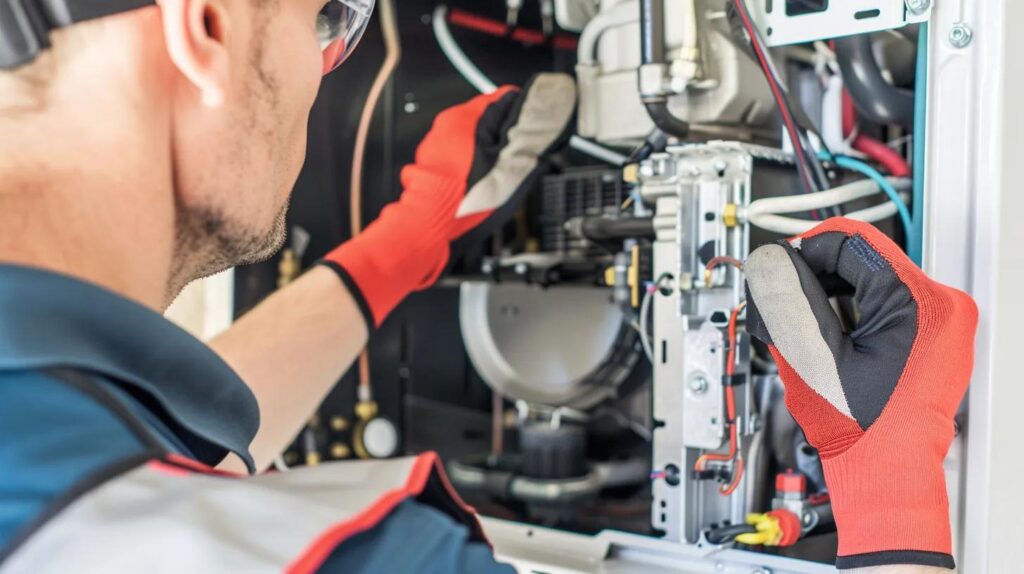
Why Is My Furnace Blowing Cold Air? A Practical Troubleshooting Guide for Homes and Businesses
Cold air coming from your vents can be annoying—and worrying—especially when temperatures drop. This comprehensive guide walks you through the most common causes, sensible at-home checks, and when to call in a professional. Whether you’re a homeowner or managing a commercial property, understanding these issues is crucial. Follow these steps to spot problems early, avoid unnecessary repairs, and keep your heating system running safely and efficiently, ensuring comfort for everyone in your space.
What Are the Most Common Causes of a Furnace Blowing Cold Air?
There are a handful of common reasons a furnace might push cold air into your space, rather than the warm, comforting air you expect. Knowing these typical culprits helps you narrow down the cause and decide what to do next, potentially saving you time and the expense of a service call.
- Thermostat Settings: If your thermostat’s fan setting is on “on” instead of “auto,” the blower runs continuously, even when the furnace isn’t actively heating. This constant circulation of unheated air between heating cycles often feels like cold air coming from the vents, leading to a misconception that your furnace is broken. It also consumes more energy.
- Dirty Air Filter: A severely clogged air filter restricts the crucial airflow needed for your furnace to operate efficiently. When airflow is impeded, the furnace may overheat and shut off as a safety measure, often triggered by a limit switch. During this shutdown, the blower might continue to run, circulating cool air. Replacing a dirty filter is one of the simplest and most effective fixes for this symptom.
- Pilot Light or Ignition Issues: Furnaces, whether they use a standing pilot light or an electronic ignition system, require a reliable flame to heat the air. If the pilot light is out, or if the electronic ignition system (like a hot surface igniter or spark igniter) fails to ignite the burners, the blower may still run, but it will only circulate unheated air. Common issues include a faulty thermocouple for pilot lights or a worn-out igniter.
- Ductwork Leaks: Your ductwork is responsible for distributing heated air throughout your home or business. Damaged or leaky ducts, especially those running through unconditioned spaces like attics, crawl spaces, or basements, allow warm air to escape before it reaches your living or working areas. The blower still moves air, but it can be significantly cooler by the time it arrives at your vents, making rooms feel drafty and underheated.
- Gas Supply Problems: A furnace needs a consistent supply of natural gas or propane to fuel its burners. A closed gas valve, a problem with the gas meter, or an issue with the utility supply can prevent the burner from lighting. In such cases, the fan can still run, but without combustion, there won’t be any heat produced, resulting in cold air from the vents. This is a serious issue that often requires professional attention.
How Do Thermostat Settings Affect Furnace Heating Performance?
The thermostat acts as the brain of your heating system, dictating when the furnace should fire and when the blower should operate. For optimal heating performance and energy efficiency, it’s crucial to set your thermostat’s fan to “auto.” In this setting, the blower only runs while the furnace is actively producing warm air. If it’s set to “on,” the fan runs continuously, circulating air even when the burners are off. This constant airflow will blow cool air through the ducts between heating cycles, making your system feel like it’s not working even when it is perfectly functional. This can lead to discomfort and higher energy bills.
Why Does a Dirty Air Filter Cause Cold Air from the Furnace?
A dirty air filter is a common culprit behind a furnace blowing cold air because it severely chokes the airflow necessary for proper operation. When the filter is clogged with dust, pet dander, and debris, the furnace’s heat exchanger can’t dissipate heat effectively. This causes the furnace to overheat rapidly. To prevent damage and potential fire hazards, most modern furnaces are equipped with a safety device called a limit switch, which will automatically shut down the burners when temperatures get too high. While the burners are off, the blower motor may continue to run, pushing only cooler, unheated air through your vents. Replacing or cleaning the filter on schedule, typically every 1-3 months, keeps airflow steady, prevents overheating, and helps maintain consistent heat production.
How Can I Troubleshoot Furnace Issues at Home Before Calling a Professional?
Before reaching out to a professional, try these simple checks first. Many common problems are quick fixes you can handle yourself, potentially saving you the cost and inconvenience of a service call. These steps are designed to help you systematically identify and resolve minor issues.
- Check Thermostat Settings: Begin by ensuring your thermostat is powered on, set to “heat,” and the fan is on “auto.” Crucially, verify that the desired temperature setting is higher than the current room temperature. If your thermostat uses batteries, check if they need replacement, as low batteries can cause erratic behavior or a complete shutdown.
- Inspect the Air Filter: Locate and pull out your furnace’s air filter. Hold it up to a light source; if you can’t see light through it, or if it’s visibly caked with dirt and debris, it’s clogged. Replace disposable filters with a new one of the correct size and MERV rating, or clean reusable ones according to the manufacturer’s instructions if they’re clogged. This is often the quickest fix.
- Examine the Pilot Light or Ignition: If you have an older furnace with a pilot light, confirm it’s lit and burning with a steady blue flame. For electronic ignitions, listen carefully for the distinct clicking sound of the igniter attempting to light the burners, followed by the whoosh of the burners igniting. If the pilot is out, consult your furnace’s manual for safe relighting instructions. If you hear clicking but no ignition, or if the pilot won’t stay lit, there might be a deeper issue.
- Look for Ductwork Issues: Visually inspect accessible sections of your ductwork, particularly in basements, crawl spaces, attics, or utility closets. Look for obvious signs of damage such as disconnected seams, gaping holes, or tears in flexible ducts. Sealing obvious leaks with mastic sealant or specialized foil tape can significantly improve warmth throughout the house by preventing heated air from escaping.
- Verify Gas Supply: Locate the gas valve that supplies your furnace (it’s usually a yellow handle or knob on the gas line leading to the unit). Ensure it is fully open and aligned with the gas pipe. If you find it closed, slowly open it. However, if you suspect a gas problem beyond a simple closed valve, such as a leak or a utility issue, stop and call a professional immediately. Do not attempt to fix gas lines yourself.
When Is It Necessary to Call Patriot Home Solutions for Furnace Repair in Corsicana, TX?
While many minor furnace issues can be resolved with simple troubleshooting, some situations are best handled by a trained and certified technician. If you observe any of the following signs or symptoms, it’s crucial to contact us through our contact page so we can diagnose the issue safely and effectively, preventing further damage or safety risks.
- Persistent Cold Air: If your furnace continues to blow cold air even after you’ve performed all the basic troubleshooting steps—checking the thermostat, replacing the filter, and inspecting the pilot light—it’s a strong indicator of a more complex internal problem. This could involve issues with the blower motor, heat exchanger, gas valve, or control board, all of which require professional diagnosis and repair.
- Gas or Heat Exchanger Concerns: Any suspected gas supply problems, such as the smell of rotten eggs, or concerns about a damaged heat exchanger (which can lead to carbon monoxide leaks), are serious safety issues that demand immediate professional attention. Do not attempt to diagnose or repair these yourself. Evacuate the premises and call for help immediately.
- Frequent Shutdowns: If your furnace is repeatedly cycling on and off (short-cycling), failing to start consistently, or shutting down unexpectedly, it usually points to a deeper electrical, control, or mechanical problem. This could be due to a faulty sensor, a malfunctioning limit switch, a failing motor, or issues with the control board, all of which require expert care and specialized diagnostic tools.
What Are the Signs of Gas Supply or Heat Exchanger Problems?
Being able to recognize the warning signs of gas supply or heat exchanger problems is critical for your safety. Watch for these indicators:
- Unusual Smells: A distinct rotten-egg or sulfur-like odor is the most common sign of a natural gas leak. A strong chemical or burning plastic smell can indicate burning components or electrical issues. If you detect a gas smell, leave the home immediately and call your gas company or emergency services from a safe location.
- Inconsistent Heating: If certain rooms won’t warm up despite the furnace running, or if you experience sudden drops in temperature, it may signal airflow or heat transfer problems. This could be linked to a compromised heat exchanger, which prevents proper heat distribution, or significant duct leaks.
- Physical Symptoms: Symptoms like headaches, dizziness, nausea, or fatigue when the furnace is running can be signs of carbon monoxide poisoning, often caused by a cracked heat exchanger. If anyone in your household experiences these symptoms, seek fresh air immediately and call for professional help.
- Visible Damage or Soot: Look for visible cracks on the furnace’s exterior, especially near the heat exchanger. Also, observe if there’s an excessive amount of soot buildup around the burners or inside the furnace, which can indicate incomplete combustion and potential heat exchanger issues.
If you notice any of the above, get professional help right away. These are not issues to delay addressing.
How Does Professional Diagnosis Prevent Safety Hazards?
Professional diagnosis is essential for preventing serious safety hazards associated with furnace malfunctions. Trained technicians have the specialized tools, knowledge, and experience to accurately test for gas leaks using sensitive detectors, thoroughly inspect the heat exchanger for hairline cracks or corrosion, and verify the safe operation of all combustion and ventilation components. A professional check protects your home and family from dangers like carbon monoxide poisoning and fire risks, and it prevents small, seemingly minor issues from escalating into costly or dangerous system failures. Their expertise ensures your system meets all safety standards.
How Does Preventative Maintenance Help Stop My Furnace from Blowing Cold Air?
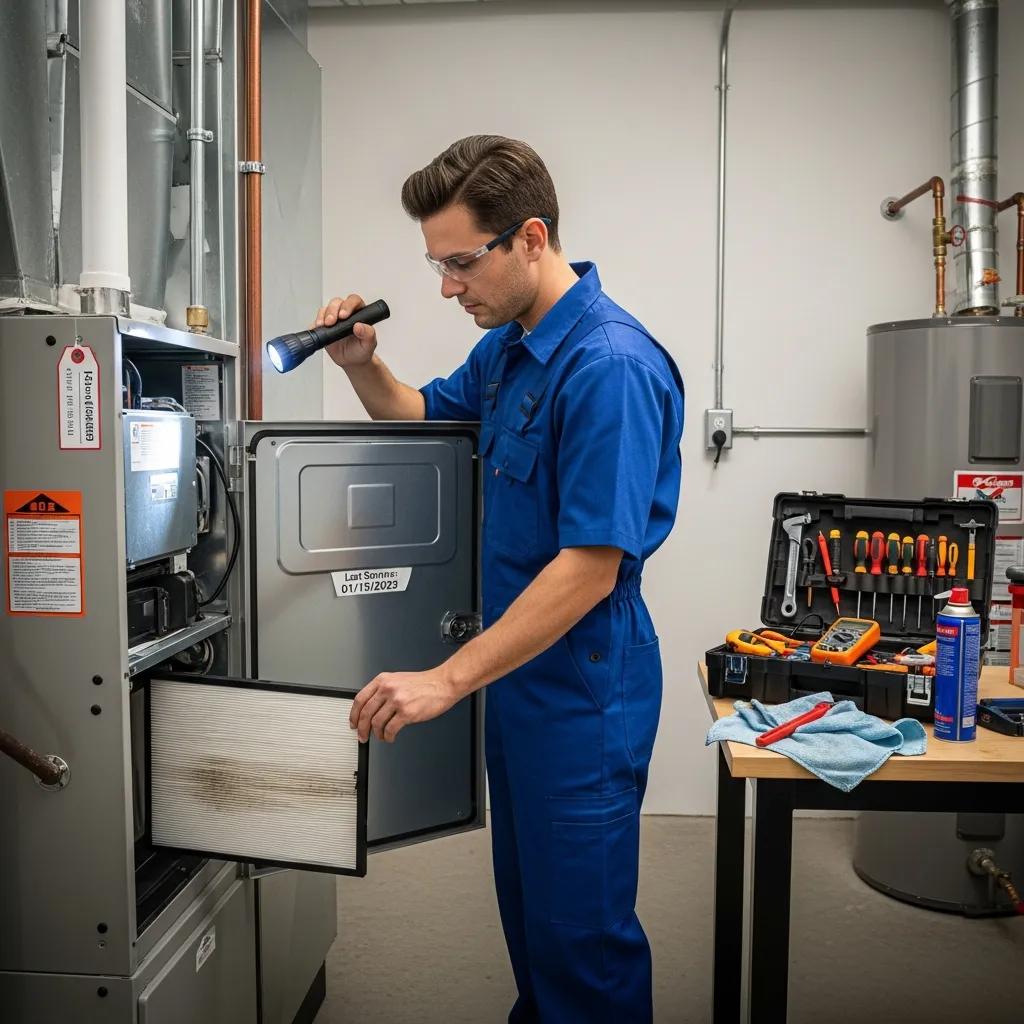
Regular preventative maintenance is the single most effective strategy for keeping your heating system working reliably and efficiently. It allows technicians to identify and address minor wear and tear before it develops into major failures, such as your furnace blowing cold air. A yearly tune-up not only improves overall performance but also significantly reduces the likelihood of unexpected breakdowns, ensuring your furnace delivers steady, warm heat precisely when you need it most.
Skipping routine service often leads to unexpected failures, higher long-term repair costs, and reduced system lifespan—research consistently supports the value of planned maintenance in optimizing system reliability and efficiency.
Cost-Effective Furnace Preventive Maintenance Strategies
Research shows preventive maintenance is often overlooked, which leads to more frequent and longer equipment outages, unpredictable performance, and higher repair costs. Using a focused preventive approach helps prioritize the most common failure points and keeps systems running reliably.
Preventive maintenance using reliability centred maintenance (RCM):
A case study of a ferrochrome manufacturing company, S Fore, 2010
- Regular Tune-Ups: Annual tune-ups involve a comprehensive inspection and cleaning by a certified technician. During this service, burners are cleaned, electrical connections are tightened, moving parts are lubricated, and all safety controls are checked. This proactive approach catches small issues, like a weakening igniter or a dirty flame sensor, before they can cause a complete system breakdown and result in cold air.
- Improved Efficiency: Routine care ensures that all furnace components are working as designed and at their peak efficiency. Clean burners ignite more effectively, lubricated motors run smoother, and calibrated thermostats provide accurate temperature control. This optimized operation reduces energy consumption, lowers utility bills, and significantly decreases the chance of cold-air episodes caused by inefficient heating.
- Extended Lifespan: Just like a car, a furnace that receives regular maintenance experiences less wear and tear over time. By addressing minor issues promptly and keeping components clean and well-adjusted, preventative maintenance helps to preserve the integrity of the entire system. This simple upkeep helps your furnace last longer, delaying the need for an expensive replacement and maximizing your investment.
How Do I Stop My Heater from Blowing Cold Air?
To stop your heater from blowing cold air, begin with a systematic approach to troubleshooting. First, confirm that your thermostat is correctly set to “heat” and that the fan setting is on “auto,” not “on.” Next, inspect and replace your air filter if it’s dirty or clogged, as this is a frequent cause of cold air. Then, verify that the pilot light is lit (for older furnaces) or that the electronic ignition system is attempting to ignite the burners. If these initial steps don’t resolve the problem, or if you suspect a gas leak or a cracked heat exchanger, immediately schedule a professional inspection with a qualified HVAC technician to diagnose and safely repair the underlying issue.
| Maintenance Task | Frequency | Benefits |
|---|---|---|
| Change Air Filter | Every 1-3 Months | Improves airflow, enhances efficiency, and maintains indoor air quality. |
| Schedule Tune-Up | Annually (Pre-Season) | Identifies potential issues before they escalate, optimizes performance, and extends equipment lifespan. |
| Inspect Ductwork | Every 2-3 Years | Prevents leaks, ensures proper airflow distribution, and reduces energy waste. |
Staying on top of these essential maintenance tasks helps your furnace run more reliably, efficiently, and safely, ensuring your home or business remains comfortable through the cold months.
Conclusion
Cold air from your vents is usually a symptom of an underlying issue, not the full story of your furnace’s problem. By systematically performing simple checks—starting with your thermostat settings, inspecting the air filter, and verifying the pilot light or ignition system—you can often resolve minor issues yourself. However, for persistent problems, suspected gas concerns, or any indication of heat exchanger damage, it is imperative to call a professional technician immediately to ensure safety and proper repair. Remember, regular preventative maintenance is the best way to avoid unexpected surprises, keep your system safe and efficient, and ensure consistent warmth. For expert help or to schedule service, visit our contact page or give us a call today to restore comfort to your space.