



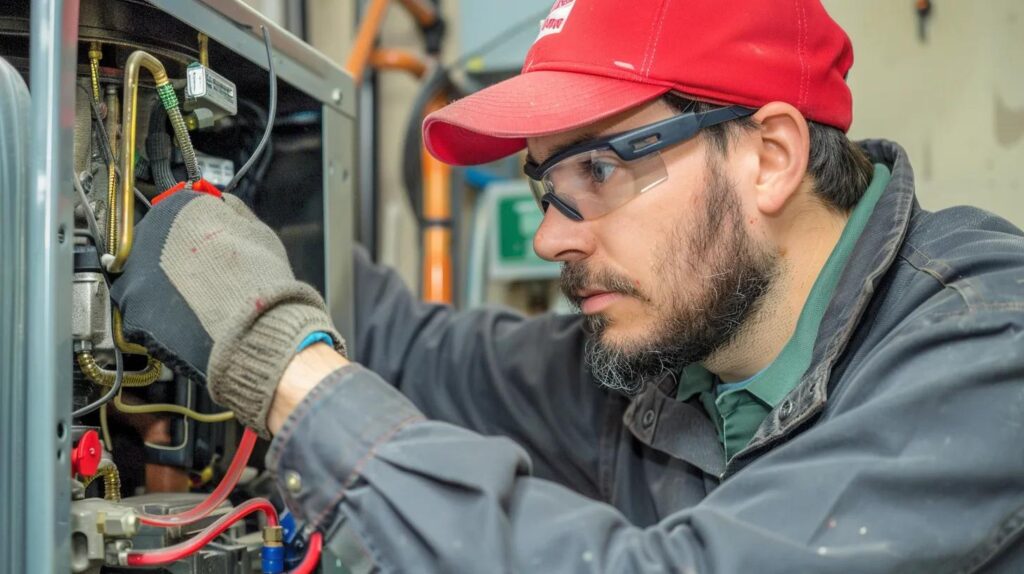
Keeping Your Furnace Efficient: How Annual Tune‑Ups Save Energy and Extend System Life
An annual furnace tune‑up is a professional inspection and service visit that helps your heating system run safer, cleaner, and more efficiently. Regular tune‑ups restore proper combustion and airflow, cut wasted energy, and help prevent expensive mid‑winter breakdowns. This guide walks through why routine maintenance matters, what a full annual service includes, how maintenance can lower your energy bills, and simple steps you can take at home to support the work technicians do. Homeowners in Corsicana, Fairfield, Ennis, and nearby Texas communities routinely see lower bills and fewer emergency calls after following a preventative plan. You’ll also find clear service schedules, component explanations, and comparison tables that make it easy to prioritize what matters for your home.
Why Is Regular Heating System Maintenance Essential for Energy Efficiency?
Regular heating maintenance is a focused set of inspections and adjustments that get your system back to peak performance so it uses less fuel to deliver the same heat. When a technician cleans burners, checks or replaces filters, and confirms thermostat accuracy, the furnace runs closer to factory efficiency and uses less energy each cycle. Problems like poor combustion, clogged filters, or leaky ducts increase runtime and fuel use — annual service targets those root causes rather than just masking symptoms. That’s why skipping yearly checks usually leads to higher bills and more frequent repairs.
Techs concentrate on airflow, combustion, and controls because those areas work together to determine overall efficiency. For example, restricted airflow makes the blower run longer and reduces heat transfer across the heat exchanger, which raises runtime and energy use. Addressing these linked issues during a tune‑up restores balance and cuts waste. The next section explains specific tune‑up tasks and how each one helps lower energy use.
Patriot Home Solutions Heating & Air Conditioning brings practical, local experience to homeowners in Corsicana, Fairfield, Ennis, and surrounding areas. Our Maintenance Plan focuses on quality work over quick visits and lines up precisely with the efficiency steps outlined here. Local technicians who know Texas heating patterns can spot seasonal wear early and recommend targeted repairs or adjustments that protect both efficiency and safety. If you want a maintenance program tuned to your climate and household needs, our Maintenance Plan delivers consistent, professional care to keep systems running efficiently year after year.
How Does Annual Furnace Tune-Up Improve Heating Efficiency?
An annual tune‑up is a checklist of cleaning, inspections, calibrations, and small adjustments that reduce energy waste and improve heat delivery. Typical tasks include cleaning burners to restore proper flame and combustion, checking the heat exchanger for damage and heat transfer efficiency, and replacing or cleaning filters to keep airflow moving. Technicians also lubricate moving parts, test the blower motor, and calibrate controls and thermostats so the system cycles efficiently rather than short‑cycling or running too long. Each task lowers the energy needed to deliver a given amount of heat, which saves fuel or electricity for the homeowner.
Technicians often run simple performance checks — static pressure readings, runtime comparisons, or flame inspections — to confirm improvements after adjustments. Those diagnostics quantify tune‑up gains and flag parts that may need attention later. Knowing which actions yield the biggest efficiency wins helps prioritize annual work and informs decisions about repairs or replacements. The next subsection summarizes the concrete benefits homeowners typically see from preventative furnace care.
What Are the Key Benefits of Preventative Furnace Care?
Preventative furnace care delivers clear, measurable benefits beyond immediate energy savings. Regular maintenance improves combustion and airflow efficiency, lowers operating costs, reduces the chance of mid‑season breakdowns, and helps preserve warranty coverage that often requires yearly service documentation. It also improves indoor air quality by ensuring filters and vents are working properly, cutting dust and allergy triggers. Importantly, routine inspections catch safety concerns like combustion leaks or elevated CO risk early, giving households—especially those with children, seniors, or medically vulnerable members—real peace of mind.
Those benefits add up over time: fewer emergency repairs, longer component life, and steadier home comfort. Homeowners who track runtime and fuel use before and after service commonly report steadier temperatures and less month‑to‑month bill fluctuation. Knowing these gains helps set realistic expectations for a comprehensive annual service, which we describe next.
What Does a Comprehensive Heating System Annual Service Include?
A comprehensive annual service is a step‑by‑step set of inspections, cleanings, calibrations, and tests that bring a residential heating system back to safe, efficient operation. Core items include checking and replacing air filters, cleaning burners and combustion components, inspecting the heat exchanger, testing the blower and motor, calibrating the thermostat, and inspecting vents and controls for safety. Optional add‑ons—duct cleaning, indoor air quality testing, or smart thermostat setup—can be scheduled based on your home’s needs. A clear checklist makes it easy to see what a professional should complete and how each action maps to expected benefits.
The table below matches common inspection items with the technician action and the benefit so you can quickly see practical outcomes from each check.
| Component Inspected | Technician Action | Primary Benefit |
|---|---|---|
| Air filter | Inspect and replace as needed | Restores airflow and improves indoor air quality |
| Burners/combustion | Clean and tune for proper flame | Boosts combustion efficiency, lowers fuel use |
| Heat exchanger | Visual and safety inspection | Ensures safe heat transfer and reduces CO risk |
| Blower motor & fan | Clean, lubricate, and test | Maintains consistent airflow and reduces energy draw |
| Thermostat & controls | Calibrate and verify programming | Improves cycling accuracy and cuts runtime |
Which Components Are Inspected and Maintained During Furnace Tune-Ups?
During a tune‑up, techs inspect the parts that most affect efficiency and safety: the heat exchanger, burners, blower assembly, filters, thermostat, and venting. They check the heat exchanger for cracks or corrosion that can reduce heat transfer or create hazards, clean burners to restore good combustion, and clean and test the blower wheel and motor to ensure proper airflow. Wiring, control boards, and connections are checked for wear or looseness. Where appropriate, techs make small adjustments — for example, fine‑tuning thermostat differentials to avoid unnecessary cycling and verifying vent clearances for safe exhaust flow.
Keeping a documented record of component checks creates a maintenance history that helps predict failures before they happen. When technicians spot trends—rising static pressure, longer run times, or recurring faults—homeowners can schedule targeted repairs and avoid costly breakdowns. Knowing what’s included in a tune‑up makes it easier to compare service quality across providers.
How Does the Patriot Home Solutions Maintenance Plan Enhance Heating Performance?
The Patriot Home Solutions Maintenance Plan groups scheduled inspections and tune‑ups into a recurring service rhythm that focuses on steady efficiency improvements and preventative care. The plan pairs routine tasks—filter checks, burner cleaning, thermostat verification, and safety tests—with seasonal visits so technicians can notice small declines early and fix them before they grow into bigger problems. Plan members usually get priority scheduling, seasonal reminders, and suggestions for efficiency upgrades when those will deliver real value. The result is measurable performance improvement across heating seasons.
A structured maintenance plan makes it less likely that service gets skipped and helps households achieve predictable efficiency gains over time. By bundling essential tune‑up work into a defined plan, homeowners can budget for maintenance and track performance improvements after each visit. The next section explains how those improvements translate into real energy‑bill savings.
How Can Regular HVAC Maintenance Reduce Your Energy Bills?
Regular HVAC maintenance lowers energy bills by getting equipment back toward its original efficiency and preventing problems that cause extra runtime. Industry studies and utility guidance typically show professional maintenance and targeted repairs can reduce heating energy use by about 5–15%, depending on system age and prior neglect. Major savings drivers include cleaner combustion, better airflow from clean filters and coils, and reduced heat loss after sealing ducts and tuning controls — each reduces runtime or increases heat delivered per energy unit.
You can track savings using before‑and‑after runtime or smart‑thermostat data to see shorter cycle times and lower fuel or electricity use after service. The EAV‑style table below links maintenance actions to typical energy‑impact bands so you can focus on the highest‑return activities for your home.
| Maintenance Action | Typical Energy Impact | When to Prioritize |
|---|---|---|
| Replace/clean air filter | 3–5% savings | Every 1–3 months or as needed |
| Clean burners/combustion tune | 4–8% savings | When soot or flame issues are present |
| Seal ducts & insulating | 5–12% savings | Older homes with known leaks |
| Thermostat calibration & programming | 2–6% savings | During service visit or when installing a new thermostat |
What Percentage of Energy Savings Can Homeowners Expect?
Homeowners can expect a realistic savings range of roughly 5–15% from a mix of professional maintenance and targeted repairs. Results vary with system age, how neglected it was, and local climate. Newer, well‑maintained systems tend to see smaller, steady gains, while older or poorly maintained systems often show larger percentage improvements after corrective work. The type of fuel affects dollar savings too — the same runtime reduction saves more on higher‑cost fuels. Thermostat settings and occupancy patterns also change results, so capturing baseline data before service makes savings easier to measure.
If you want precise projections, ask the technician to run diagnostics during the tune‑up and use a smart thermostat or energy monitor to record baseline metrics. That before‑and‑after data demonstrates the financial value of professional maintenance. The next subsection explains how maintenance and smart controls work together.
How Do Smart Thermostats and Maintenance Work Together to Optimize Heating Efficiency?
Smart thermostats give precise runtime data and let you optimize schedules to cut unnecessary heating. Technicians can use thermostat diagnostics to spot abnormal runtimes, short‑cycling, or temperature drift, then address the mechanical or control issues during a tune‑up. Properly configured setback schedules and adaptive learning features reduce wasted heat while keeping you comfortable, so pairing a calibrated system with intelligent controls yields bigger, measurable efficiency gains than either approach alone. During service visits, techs can also verify thermostat wiring, sensor placement, and settings for best performance.
When maintenance and smart controls work together you also get better feedback: daily and seasonal energy use comparisons show real savings. That feedback lets technicians focus adjustments where they’ll have the most impact, creating a continuous improvement loop that increases efficiency over time. Next, we’ll look at how maintenance protects system lifespan.
How Does Preventative Heating Maintenance Extend the Lifespan of Your System?
Preventative maintenance extends system life by reducing wear, preventing overheating and stress, and catching problems before they cause major failures. Regular cleaning and lubrication lower friction in blowers and motors, while combustion tuning cuts corrosive byproducts that slowly damage heat exchangers and burners. Replacing filters and fixing airflow imbalances prevents prolonged high‑load operation that wears out motors, compressors, and control boards. Those cumulative effects mean longer intervals between replacements and a better chance of reaching or exceeding manufacturer lifespan estimates.
How much life you add depends on the component and past maintenance, but a documented preventive history consistently correlates with fewer premature failures and lower lifecycle costs. The table below links specific components to common issues from neglect and the likely impact on lifespan so you can prioritize inspections.
| Component | Issue if Neglected | Lifespan Impact |
|---|---|---|
| Heat exchanger | Corrosion, cracking | High risk; may force premature replacement |
| Blower motor | Overheating from dust/clogging | Shorter motor life; earlier replacement |
| Burners & ignition | Soot buildup, misfires | More frequent repairs and wear |
| Controls & sensors | Erratic signals or failures | Reduced system reliability and unexpected faults |
What Common Heating Problems Are Prevented by Regular Tune-Ups?
Regular tune‑ups help prevent ignition failures, clogged filters that restrict airflow, soot buildup on burners, and premature blower motor wear. Technicians also spot and correct minor control faults, thermostat drift, and vent blockages before they become major repairs. Homeowners often notice early warning signs—uneven temperatures, louder operation, or rising bills—that mean a service visit is due. Acting on those signs reduces emergency calls and the disruption of mid‑season breakdowns.
Responding to early warning signs lets you schedule preventative work instead of reacting to failures. Routine inspections turn vague symptoms into specific fixes, stabilizing performance and preventing the chain‑reaction damage that happens when issues are left alone. That clarity about preventive care naturally leads into realistic lifespan expectations discussed next.
How Much Longer Can a Well-Maintained Furnace Last Compared to Neglected Systems?
Yes—regular maintenance can extend a furnace’s useful life. Industry experience shows well‑maintained systems commonly outlast neglected ones by several years, though exact gains depend on usage, local climate, and how promptly repairs are made. Tune‑ups reduce stress on components like the heat exchanger and blower, lowering wear rates and the chance of catastrophic failures that force replacement. While no single outcome is guaranteed, keeping a documented maintenance record is strongly associated with longer service life and lower lifetime ownership costs.
Homeowners should weigh maintenance costs against likely life extension and fewer repairs; in many cases the savings from avoided breakdowns and delayed replacement make annual professional service a sound investment. The next section lists simple homeowner actions that support professional maintenance and protect efficiency and longevity.
Frequently Asked Questions
1. How often should I schedule a furnace tune-up?
We recommend an annual furnace tune‑up, preferably in the autumn before winter. That timing ensures the system is inspected and serviced before the cold months. If your system is older or sees heavy use, consider semi‑annual checks to catch wear earlier and keep performance steady. Regular maintenance helps prevent surprises and extends equipment life.
2. What signs indicate that my heating system needs maintenance?
Watch for uneven heating, unusual noises, higher energy bills, or frequent on/off cycling. Increased dust or a drop in indoor air quality can also signal trouble. If you notice these signs, schedule a service visit — addressing issues early is almost always cheaper than waiting for a breakdown.
3. Can I perform any maintenance tasks myself?
Yes. Homeowners can handle several helpful tasks: check and replace air filters, seal drafts around windows and doors, program thermostat setbacks, and keep vents clear. For jobs like burner cleaning or heat‑exchanger inspection, leave it to trained technicians who have the right tools and safety procedures.
4. What is the impact of a dirty air filter on my heating system?
A dirty filter restricts airflow, forcing your system to work harder to reach temperature. That raises energy use, reduces efficiency, and can lead to overheating or premature component wear. Replacing or cleaning filters on schedule improves indoor air quality and helps the system run efficiently, saving you money on bills.
Conclusion
Annual furnace tune‑ups make a real difference: they improve efficiency, lower energy use, and help your system last longer. Investing in regular maintenance gives you lower utility bills, better indoor air quality, and confidence that your heating system is operating safely. Don’t wait for a breakdown — schedule your tune‑up today to keep your home comfortable all winter. Contact Patriot Home Solutions Heating & Air Conditioning Services to learn more about our maintenance plans and how we can help keep your system running its best.