Comprehensive HVAC Maintenance Tips for Homeowners
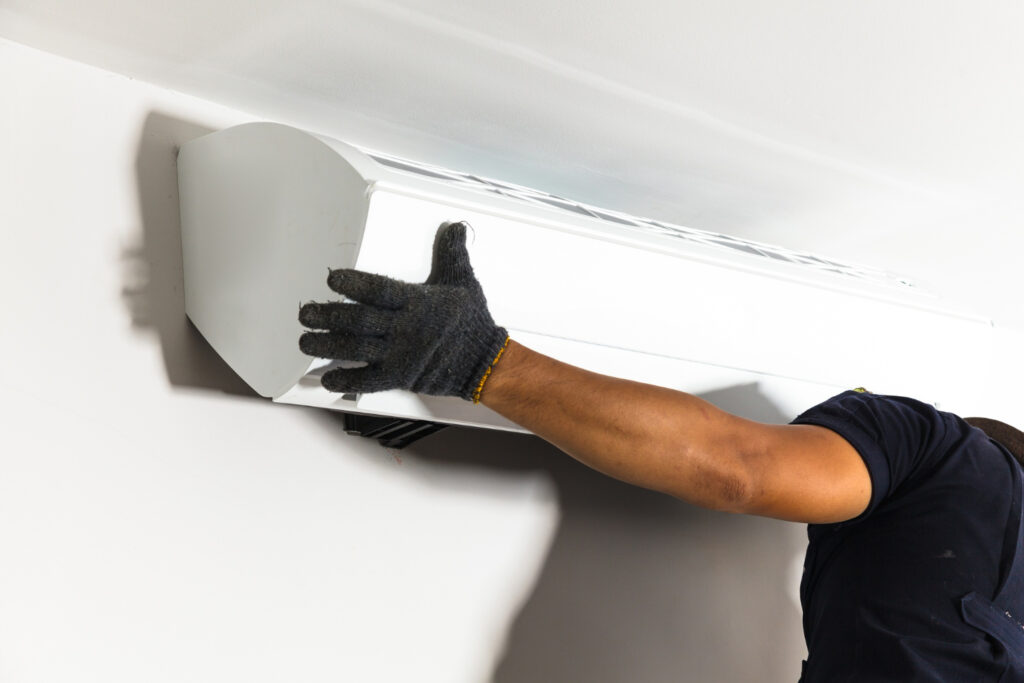
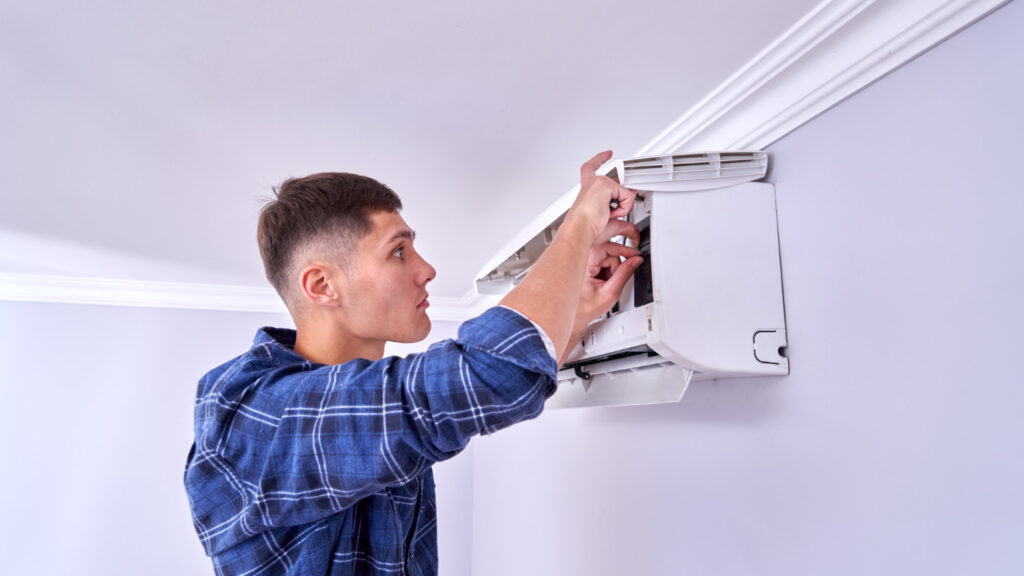
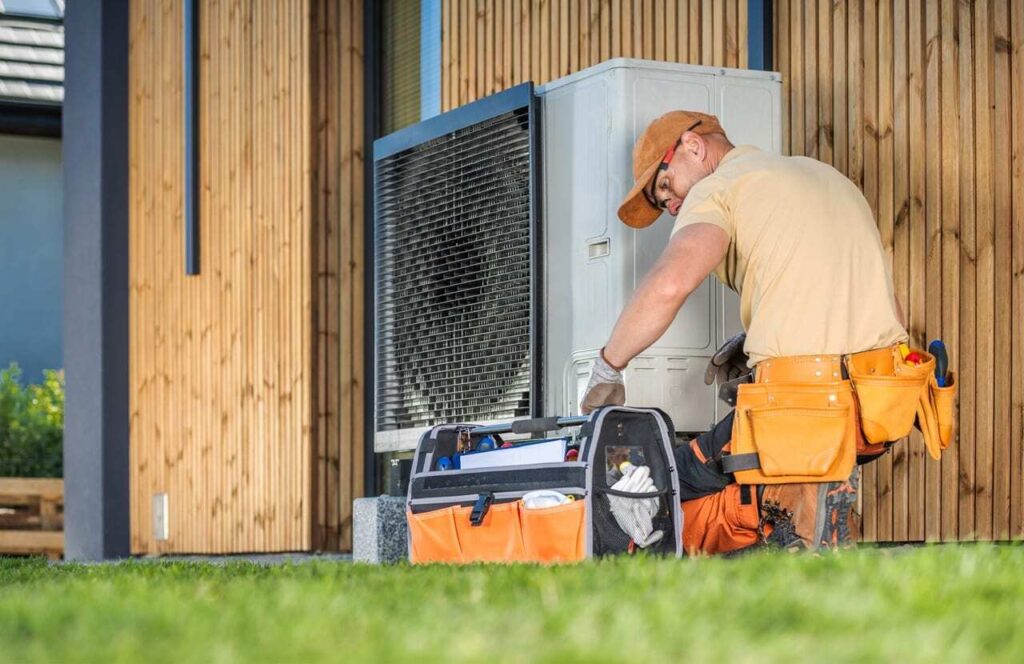
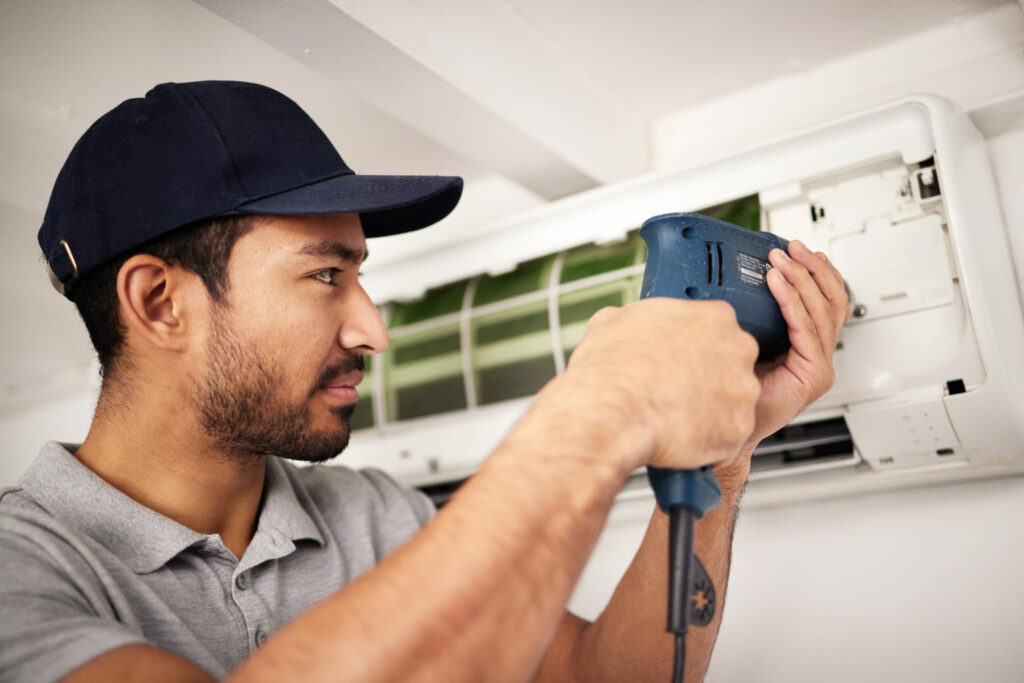
Regular maintenance of HVAC systems is essential for ensuring their longevity and efficiency. Homeowners can implement basic maintenance tasks, such as changing filters, cleaning ducts, and scheduling professional inspections, to enhance system performance and reduce energy costs.
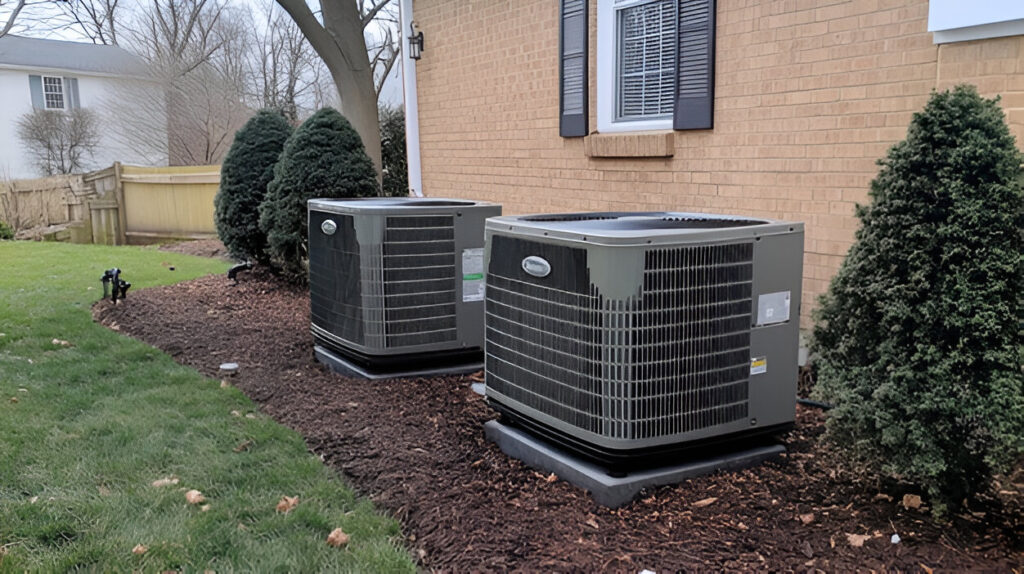
For instance, replacing air filters every 1-3 months can significantly improve indoor air quality and system efficiency. Additionally, having a professional technician inspect the system annually can help identify potential issues before they escalate, saving homeowners from costly repairs.
Understanding the Importance of Seasonal HVAC Check-Ups
Seasonal check-ups are crucial for maintaining HVAC systems, as they prepare units for the demands of changing weather conditions. These inspections help ensure that systems are running efficiently and can prevent unexpected breakdowns during peak usage times.
Energy-Efficient Upgrades for Your HVAC System
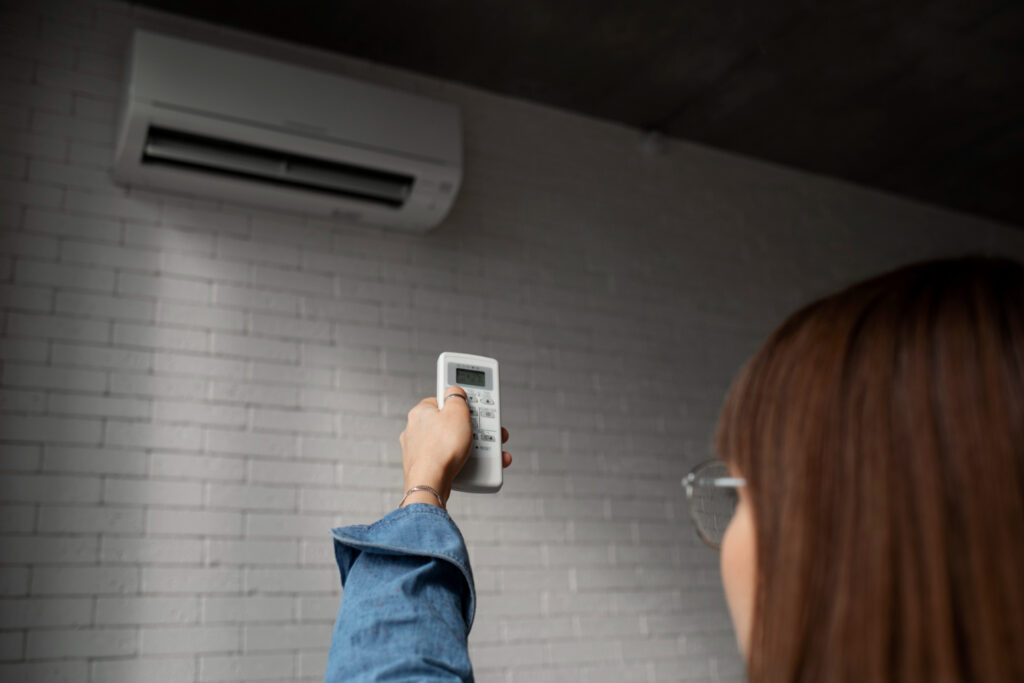
Investing in energy-efficient upgrades for HVAC systems can lead to significant savings on utility bills and a reduced environmental footprint. Homeowners should consider options such as programmable thermostats, high-efficiency filters, and ENERGY STAR-rated appliances.
For instance, a programmable thermostat allows users to set temperature schedules that align with their daily routines, optimizing energy use. Additionally, upgrading to an ENERGY STAR-rated air conditioner can provide up to 15% more efficiency compared to standard models, making it a wise investment for long-term savings.
Common HVAC Myths Debunked
There are several myths surrounding HVAC systems that can mislead homeowners and affect their maintenance choices. Understanding the truth behind these misconceptions is vital for making informed decisions regarding HVAC care and upgrades.
For example, one common myth is that closing vents in unused rooms saves energy. In reality, this can cause pressure imbalances in the system, leading to inefficiencies and potential damage. Educating homeowners on these myths can promote better practices and enhance overall system performance.