




Insulating Your Home for Heating Efficiency: How to Save Energy and Reduce Heating Bills in Corsicana, TX
Proper home insulation is the cornerstone of heating efficiency, cutting heat loss by up to 45 percent and translating into tangible savings for Corsicana homeowners. With summer heat and winter chills alike, uncontrolled thermal transfer drives up energy bills and strains HVAC systems. This guide explains why insulation matters, explores the best insulation types, quantifies cost savings and comfort gains, examines local climate and construction factors, shows how Patriot Home Solutions Heating & Air Conditioning Services supports your upgrade, addresses common homeowner questions, and outlines the steps to start improving your home’s heating efficiency today. By weaving in over 30 years of HVAC expertise and a commitment to quality and comfort, you’ll learn how proper thermal barriers work with your heating system to lower bills, reduce carbon footprint, and maintain stable indoor temperatures all year round.
Why Is Insulation Crucial for Improving Your Home’s Heating Efficiency?
Insulation forms a thermal barrier that slows the transfer of heat between indoor and outdoor environments. By resisting conductive, convective and radiant heat flow, quality insulation reduces the workload on your furnace or heat pump and prevents rapid temperature swings. In Corsicana’s mix of hot summers and cool winters, effective insulation keeps warmth inside during cold snaps and stops unwanted heat gain in warmer months. Understanding these principles lays the groundwork for identifying specific heat loss pathways and optimising HVAC performance.
How Does Heat Escape from Your Home and Affect Heating Efficiency?
Heat escapes through every uninsulated surface and gap, forcing heating systems to run longer and cycle more frequently. Heating services are essential for optimizing system efficiency.
Common heat‐loss areas include:
- Roof and attic spaces where up to 25 percent of warmth is lost.
- External walls accounting for roughly 33 percent of thermal transfer.
- Floors and basements contributing 10–20 percent of heat escape.
- Air leaks around windows, doors and ductwork that bypass insulation entirely.
By sealing these pathways, you create a continuous envelope that preserves indoor warmth and reduces furnace runtime. Effective barrier coverage in one area also reinforces adjacent zones, so addressing attic leaks helps stabilise wall temperatures next.
Building Retrofitting with High-Performance Insulation for Energy Savings
Heat loss through walls during a heating cycle is a critical component of overall facility energy consumption, and mitigation measures are important to reduce total facility energy use. This project demonstrated and validated the use of modified atmosphere insulation to reduce wall-related energy consumption in Department of Defence facilities. By retrofitting walls and increasing their thermal resistance R-value by R10–20 h⋅ft²⋅°F/Btu, reductions of 30% or more over the baseline wall-generated space conditioning loads are possible.
Demonstration and Cost Analysis of a Building Retrofit Using High-Performance Insulation, 2018
What Impact Does Poor Insulation Have on Your HVAC System’s Performance?
When insulation is insufficient, heating equipment compensates by running longer cycles and operating at higher output levels. This overstrain shortens component lifespan, increases maintenance frequency and raises repair likelihood. An overworked furnace or heat pump also delivers uneven warmth, leaving cold spots that prompt additional thermostat adjustments and waste energy.
How Does Proper Insulation Reduce Energy Bills and Carbon Footprint?
By slowing heat transfer, insulation reduces heating energy consumption by up to 40 percent and lowers CO₂ emissions accordingly. Less fuel or electricity is used, shrinking both monthly bills and environmental impact. Insulation improvements also enhance system efficiency metrics such as Annual Fuel Utilisation Efficiency (AFUE), further reinforcing sustainable home performance.
What Are the Best Types of Home Insulation for Heating Efficiency?
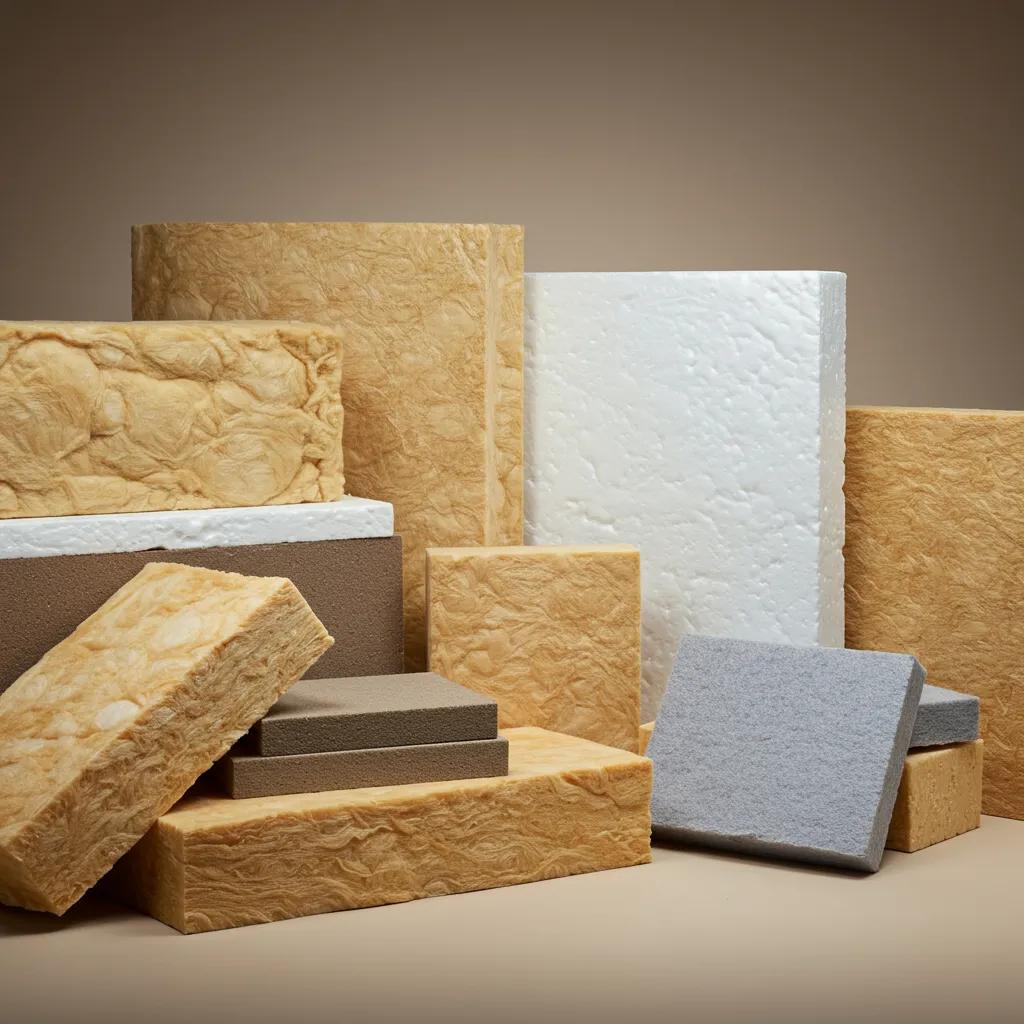
Home insulation comes in several forms, each tailored to a location, installation method and R-value requirement. Choosing the right type balances thermal resistance, installation complexity and upfront investment. Understanding these options ensures you match material performance to your home’s structure and heating goals.
How Does Loft and Attic Insulation Improve Heat Retention?
Loft or attic insulation—often made from fiberglass rolls, mineral wool batts or blown cellulose—fills voids between joists to form a blanket over living spaces. By targeting the area where most heat rises, attic insulation significantly curtails upward heat loss. This keeps upper floors warmer, reduces furnace cycles and promotes consistent temperatures throughout the home.
What Are the Differences Between Cavity Wall and Solid Wall Insulation?
Cavity wall and solid wall installations serve similar aims but differ in method and performance characteristics.
| Feature | Cavity Wall Insulation | Solid Wall Insulation |
|---|---|---|
| Installation Method | Blown beads or foam injected into cavity | Internal or external rigid insulation |
| Typical R-Value per inch | 2.5–3.5 | 3.0–4.0 |
| Disruption Level | Low (no interior work) | Moderate (plasterwork or cladding) |
| Ideal for | Modern or renovated homes | Older masonry properties |
| Heat Loss Reduction | Up to 50 percent through walls | Up to 45 percent through solid walls |
Both solutions strengthen wall performance, but cavity approaches are faster to install while solid wall treatments provide superior R-value continuity. Selecting between them depends on building age, budget and aesthetic priorities.
Why Is Floor and Ductwork Insulation Important for Heating Efficiency?
Floors and ductwork are often overlooked but constitute critical heat‐loss channels. Insulating suspended timber floors limits cold bridging from unheated spaces, while underfloor insulation maintains even surface warmth. Duct insulation uses wraps or pre-insulated ducts to prevent heat loss during air transport, ensuring that warmed air delivered by your HVAC system arrives at vents without temperature drop.
Which Insulation Materials Offer the Highest R-Value for Heating?
| Material | R-Value per Inch | Key Benefit |
|---|---|---|
| Closed-cell spray foam | 6.0–7.0 | Excellent air sealing and moisture control |
| Rigid polyiso board | 5.8–6.5 | High compressive strength and moisture resistance |
| Open-cell spray foam | 3.5–4.0 | Cost-effective air barrier |
| Mineral wool batts | 3.0–3.3 | Fire resistance and sound absorption |
High-R-value materials deliver maximum thermal resistance in limited space, making them ideal for retrofit projects with shallow cavity depths or where air sealing is a priority.
How Can Insulation Help You Save on Heating Bills and Increase Comfort?

Insulation savings come from reduced energy consumption and improved indoor temperature stability. By creating a robust thermal barrier, you minimise furnace runtimes, smooth daily temperature fluctuations and enjoy a quieter, more comfortable living environment. These advantages combine to deliver measurable cost reductions and a higher quality of life.
What Are the Typical Heating Cost Savings from Home Insulation?
Insulating different zones yields distinct savings:
Together, a fully insulated home can save a three-bedroom property up to £730 each year, freeing budget for other household priorities.
How Does Insulation Provide Year-Round Comfort and Stable Temperatures?
A continuous thermal envelope moderates external temperature swings, keeping interiors warm in winter and cool in summer. Proper insulation also reduces drafts and cold spots, fostering uniform comfort on every level. Enhanced air sealing prevents moisture ingress and improves indoor air quality by limiting dust infiltration.
Can Insulation Improve Your Home’s Energy Performance Certificate (EPC) Rating?
Yes, adding or upgrading insulation directly influences EPC assessments by boosting fabric efficiency scores. Enhanced wall, roof and floor insulation raise overall energy ratings, helping homeowners meet or exceed regulatory thresholds and making properties more attractive for sale or rental.
What Local Factors Affect Insulation Choices for Homes in Corsicana, TX?
Corsicana’s humid subtropical climate, regional construction styles and available incentives all shape insulation decisions. Tailoring materials and methods to local weather patterns, building regulations and typical home designs ensures optimal thermal performance and long-term durability.
How Does the Corsicana Climate Influence Insulation Needs?
With summer highs regularly above 35 °C and winter lows around 3 °C, insulation must address both heat gain and heat retention. Reflective foil or radiant barriers in attics reduce solar heat ingress, while high-R-value batts and boards combat nighttime temperature drops.
Are There Local Regulations or Incentives for Home Insulation?
While state building codes mandate minimum U-values for new construction, homeowners can also benefit from utility rebates and energy-efficiency grants offered through regional programmes. Investigating local energy provider schemes can offset upfront installation costs and shorten payback periods.
How Do Home Construction Types in Corsicana Affect Insulation Options?
Predominantly masonry, timber-frame and mixed-clad homes each present unique installation challenges. Masonry exteriors often suit cavity or external insulation, whereas timber-framed properties benefit from high-performance internal wall boards. Understanding your home’s structure guides the most effective insulation strategy.
How Does Patriot Home Solutions Support Heating Efficiency Through Insulation?
Patriot Home Solutions Heating & Air Conditioning Services leverages over 30 years of HVAC expertise to assess, recommend and integrate insulation upgrades that boost system performance. By pairing thorough thermal analysis with professional installation guidance, they ensure every barrier enhancement aligns with your heating equipment for maximum efficiency and comfort.
What Does a Professional Home Insulation Assessment Include?
A comprehensive assessment examines:
- Roof and attic inspection to measure existing thermal levels.
- Wall cavity evaluation using thermal imaging technology.
- Floor and ductwork audit for air leaks and insulation gaps.
- R-value measurement and recommendations for targeted improvements.
This structured process identifies priority areas and delivers an actionable upgrade plan that complements your heating system.
How Can Insulation Be Integrated with HVAC System Upgrades?
Integrating insulation with heating system enhancements—such as furnace tune-ups, heat pump optimisations or duct sealing—creates synergy that amplifies overall efficiency. By addressing building envelope and equipment together, Patriot Home Solutions ensures reduced energy consumption, balanced airflow and prolonged system lifespan.
Why Choose Patriot Home Solutions for Heating and Insulation Services in Corsicana?
Patriot Home Solutions stands out due to:
- Over three decades of local HVAC and energy-efficiency expertise.
- A “quality over quantity” ethos focused on customer comfort and safety.
- Reliable service in Corsicana and surrounding areas with transparent recommendations.
- Affordable inspections and tailored upgrade plans that maximise savings and performance.
What Are Common Questions About Home Insulation and Heating Efficiency?
Homeowners frequently ask about older properties, cost-effectiveness, financial support and DIY versus professional approaches. Clear, expert answers help you make informed decisions that safeguard comfort and budget.
How Does Insulation Improve Heating Efficiency in Older Homes?
In older homes with minimal thermal barriers, insulation retrofit fills gaps in walls, lofts and floors to reduce heat loss. Enhanced R-values slow temperature change, lower furnace runtimes and improve warmth retention, bridging the efficiency gap between heritage construction and modern comfort standards.
What Are the Most Cost-Effective Insulation Types for Heating Savings?
The top cost-effective options combine material performance with installation ease:
- Blown cellulose in lofts delivers high R-value at low material cost.
- Fiberglass batts in cavities offer straightforward fitting for common stud spacing.
- Open-cell spray foam provides both insulation and air sealing benefits without premium pricing.
Focusing on these areas yields quick payback and significant annual savings.
Are There Grants or Financial Assistance for Home Insulation in the UK and US?
In the UK, the Great British Insulation Scheme and ECO4 programme provide free or subsidised loft and cavity wall insulation for eligible households until March 2026. In the US, often state or utility company rebates and federal tax credits help offset insulation upgrades—check local energy provider offerings for specific incentives in your area.
Can DIY Insulation Match Professional Installation for Heating Efficiency?
DIY projects can deliver savings on labour but often lack airtight sealing, uniform R-value coverage and moisture control that professionals provide. Certified installers use specialised equipment and techniques to guarantee continuous barrier performance and compliance with building codes, maximising heating efficiency over the long term.
How Can You Get Started with Improving Your Home’s Heating Efficiency Today?
Upgrading insulation and HVAC systems begins with expert guidance and a clear plan. By following a structured process, Corsicana homeowners can quickly move from analysis to installation and start enjoying lower bills and enhanced comfort.
How to Schedule a Free Insulation and HVAC Efficiency Assessment in Corsicana?
Contact Patriot Home Solutions Heating & Air Conditioning Services by phone or through the enquiry form on their website to request a complimentary assessment. A qualified energy specialist will arrange a convenient visit to inspect your home’s thermal performance.
What Should You Expect During an Insulation Upgrade Service?
During the upgrade, certified technicians will seal air leaks, install recommended insulation materials in attic spaces, walls or floors, and apply duct wraps or radiant barriers as needed. The process includes a post-installation evaluation to verify R-values and system integration.
How to Contact Patriot Home Solutions for Expert Heating and Insulation Advice?
Reach out to the team by calling the office or submitting your details via the online contact form. Their specialists will listen to your needs, explain options clearly and guide you toward the most efficient and cost-effective solution for your Corsicana home.
Upgrading insulation transforms your home into a highly efficient, comfortable living space while reducing heating bills and environmental impact. With Patriot Home Solutions’ deep HVAC expertise and personalised service, you can achieve lasting energy savings and enjoy consistent warmth all year round. Take the first step today by requesting your free assessment and discover how proper insulation works in harmony with your heating system to deliver optimal performance.
Conclusion
Upgrading your home’s insulation is essential for maximizing heating efficiency, leading to significant energy savings and enhanced comfort. By addressing heat loss and improving your HVAC system’s performance, you can enjoy lower bills and a reduced carbon footprint. Take action today by scheduling your free insulation assessment with Patriot Home Solutions to start your journey toward a more energy-efficient home. Experience the benefits of a well-insulated space that keeps you warm in winter and cool in summer.